
Fantastic Dizzy story
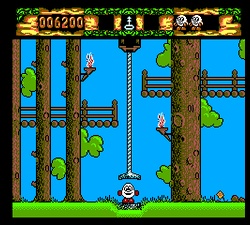
The Fantastic Adventures of Dizzy doesn’t have a cold birthdate—it has a warm origin story about two brothers who fell for a simple idea: let the hero be not a caped superman, but round, funny, and unmistakably alive. The Oliver Twins sketched their egg-shaped rascal with gloves and boots not out of laziness, but so he’d feel genuinely “alive” on screen. Around him bloomed the world of the Yolkfolk—a tongue-in-cheek kingdom of eggy friends with smiles, flaws, and quirks. The evil wizard Zaks kept coming back, as any proper fairy-tale baddie should, and somewhere between clouds and forest Daisy waited with a knot in her stomach. Out of that mix of gentle irony and a taste for adventure came a puzzle-platformer that, on our side of the world, was often called “Fantastic Dizzy,” “Adventures of Dizzy,” or straight off the box—Fantastic Dizzy, The Fantastic Adventures of Dizzy. Everyone knew the reference: that clever little egg.
How it all kicked off
Codemasters quickly saw more in Dizzy than just another mascot. The Olivers were betting on adventure—games where the real thrill isn’t throwing punches but having ideas. Grab a non-obvious item, haul it somewhere far, combine it with something else—and poof, a solution appears. That’s how Dizzy got his trademark tempo: he jumps like a platformer, but he thinks like a quest. The Fantastic Adventures of Dizzy tried to pack the series’ best into one cartridge, stretch its wings, and add those grin-inducing “extras.” There are stars sprinkled across the map and familiar Yolkfolk faces: sleepy Dozy, carefree Dylan, fashion-forward Denzil, kind Dora, and wise Grand Dizzy. Each of them got into trouble thanks to Zaks, and every scrape is a tiny story you can’t help but untangle.
That’s how Fantastic Dizzy landed in our living rooms with Sega cartridges, on a console where “adventure” always rang a little louder. Codemasters on the box; in your head, the lightning-slinging sorcerer, a castle in the clouds, and a river of rapids you curse and adore in the same breath. For us it wasn’t just another side-scroller—it felt like a proper fairy-tale outing: step out of the village and there’s a forest with secret burrows; poke into the mine and you’re rattling along in a cart; climb higher and you can almost hear the clouds calling and the bells of Zaks’s Castle.
Why this take won us over
Fantastic Dizzy had a rare gift—it welcomed you without a manual. Pick up a button for your inventory; don’t overthink it, just trust the route. Hints arrive softly: a sign in the village, a whisper from an old pal, an item forgotten in the most “wrong” place possible. Woven into that fabric of perfect little touches are the mini-games. “Bubble Dizzy,” where our hero rides up on bubbles like he’s hugging the sea. “Down the Rapids,” a whitewater sprint where every nudge on a log feels like a personal triumph. And of course the mine-cart fever, where the wagon rattles and you lean into corners before they happen. These shots of adrenaline make the long journey brighter and the world feel alive. No filler for a checklist—each episode serves the fairy tale, the road to Daisy, and the final face-off with Zaks.
On the Sega Mega Drive—Genesis to our American cousins—that feeling really stuck. Some of us played after school, some at a friend’s on weekends, some copied passwords into graph-paper notebooks so we could pick up the trail toward the cloud-top castle next time. We traded stories of how we saved Dora, where the last stars were tucked away, and why Denzil only thaws with the right “key.” Dizzy felt like one of the neighborhood kids—just rounder. The words “Dizzy on Sega” had a homey ring, and “The Fantastic Adventures of Dizzy” was almost whispered, like the title of a favorite bedtime tale.
How it spread worldwide and settled with us
In Britain, Dizzy had long been a people’s champion—the kind of warm-hearted school of design where adventures were written from the gut. When Codemasters shipped the expanded, “fantastic” journey, the hero stepped wider: from mags stuffed with tips and codes to cartridges, to living rooms, to late-night kitchen chatter. In the States, folks knew it as The Fantastic Adventures of Dizzy; on our side, you’d ask for “Adventures of Dizzy” and the market seller would fish out a cart with a round guy in white gloves. That’s how Fantastic Dizzy quietly moved onto shelves—and then into memory. We learned the Yolkfolk by name even without reading the manual, and with eyes shut we could walk from village to river, then into the mine, then up, into the clouds.
The best part? There was no trend-chasing for trend’s sake. It carried that clear, heartfelt mission: dream up a fix, help a friend, don’t forget the stars—they’re little tracks of light leading toward Zaks. That’s why The Fantastic Adventures of Dizzy stayed with us longer than many loud premieres: not with spectacle, but with kindness. Platformer and adventure shook hands, and you, the player, stood between them—with an inventory, a grin, and the quiet certainty you’d reach Daisy.
Today, when Fantastic Dizzy pops into your head, it’s not numbers or dates—it’s little frames: the first time you spotted a hidden star on a branch; the moment you ducked into Grand Dizzy’s house for advice; the rhythm you found on the rapids and the laugh at your own clumsy timing. That’s enough to want the trip again: from the quiet Yolkfolk village to the loud whisper of clouds above Zaks’s castle. Call it “Fantastic Dizzy,” “Adventures of Dizzy,” The Fantastic Adventures of Dizzy—doesn’t matter. It’s the same warm tale about ingenuity, friendship, and a road you’re happy to walk twice.